




Summary: Benzodiazepine withdrawal is one of the most medically dangerous forms of substance withdrawal. Like alcohol, benzodiazepine withdrawal can produce seizures, psychosis, and potentially fatal complications that require continuous medical monitoring and carefully managed tapering protocols. Attempting to stop benzodiazepines (Xanax, Klonopin, Valium, Ativan) abruptly or without medical supervision is medically dangerous and should never be attempted. Crosspointe Recovery in the Sherman Oaks area of Los Angeles provides medically supervised benzodiazepine and Xanax detox with 24/7 medical monitoring, individualized tapering protocols, medication-assisted treatment, and dual diagnosis evaluation for the anxiety, depression, PTSD, and other conditions that frequently underlie benzodiazepine dependence. Our private 6-bed residential facility in Sherman Oaks provides luxury amenities, private rooms, chef-prepared meals, and a calm environment that supports the extended timeline benzodiazepine detox requires. Following detox, patients transition seamlessly into residential rehab, PHP, IOP, or evening IOP. Co-ed, pet-friendly, phone-friendly.
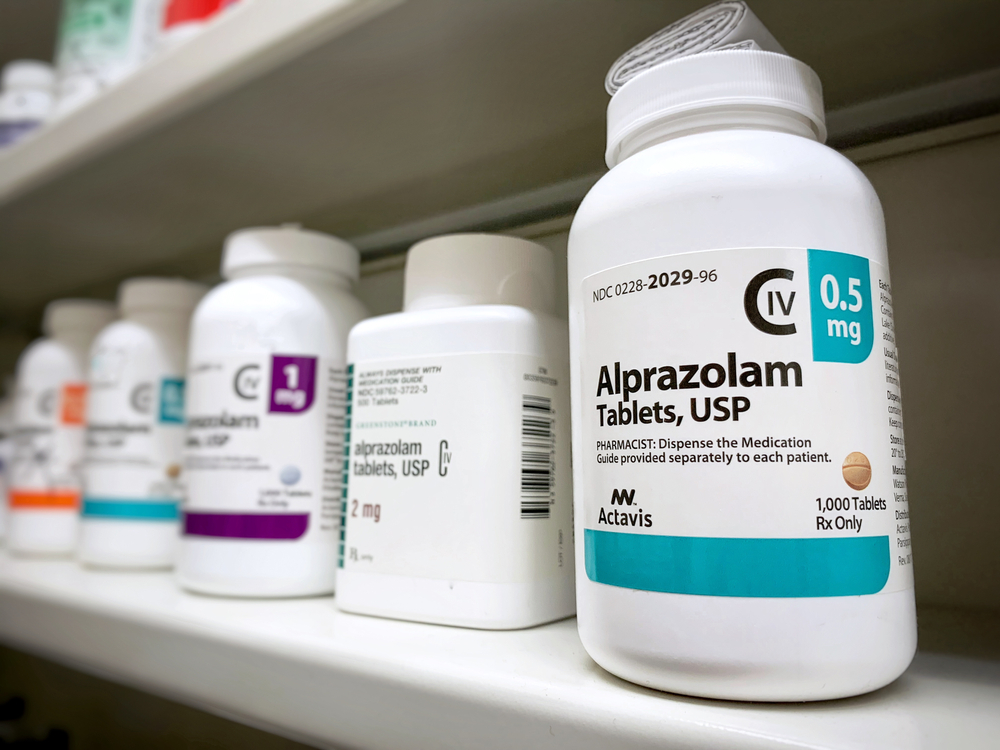
Benzodiazepines (commonly known as benzos) include some of the most widely prescribed medications in the United States: alprazolam (Xanax), clonazepam (Klonopin), diazepam (Valium), lorazepam (Ativan), and others. They are prescribed for anxiety, panic disorder, insomnia, muscle spasms, and seizure disorders. They work quickly and effectively. And they produce physical dependence faster than most patients and many prescribers expect.
The problem is not just that benzodiazepines are addictive. The problem is that once physical dependence develops, stopping them is medically dangerous. Benzodiazepine withdrawal shares key characteristics with alcohol withdrawal, including the risk of seizures. This makes benzo detox one of the few forms of substance withdrawal that can be life-threatening without medical management.
Why Benzodiazepine Withdrawal Is Medically Dangerous
Benzodiazepines work by enhancing the effect of GABA (gamma-aminobutyric acid), the brain’s primary inhibitory neurotransmitter. GABA calms neural activity. When benzodiazepines are used regularly over weeks or months, the brain reduces its own GABA production and sensitivity, adapting to the external source. When the benzodiazepine is removed, the brain is left in a hyperexcitable state with insufficient GABA to regulate neural activity.
This hyperexcitability produces withdrawal symptoms that can include severe anxiety (often worse than the anxiety the benzodiazepine was originally prescribed for), insomnia, tremors, sweating, nausea, muscle tension and pain, irritability and agitation, difficulty concentrating, perceptual disturbances (sensitivity to light, sound, and touch), depersonalization and derealization, panic attacks, and in severe cases, seizures and psychosis.
The risk of seizures during benzodiazepine withdrawal is real and can be fatal. According to clinical resources from the National Library of Medicine (MedlinePlus), abrupt discontinuation of benzodiazepines after prolonged use can produce withdrawal seizures that require emergency medical intervention. This is why medically supervised detox is not optional for benzodiazepine withdrawal. It is a medical necessity.

How Benzodiazepine Detox Works at Crosspointe Recovery
Crosspointe Recovery’s benzodiazepine detox protocol is managed by our medical team with oversight from Dr. Javaherian, a board-certified psychiatrist trained at USC Medical Center with specialized experience in addiction and psychiatric medication management.
Comprehensive intake assessment. Every patient receives a thorough evaluation of benzodiazepine use history (which specific benzodiazepine, dosage, duration, frequency), other substance use, medical history, and psychiatric history. This assessment determines the specific detox protocol.
Individualized tapering protocol. Benzodiazepine detox is not done cold turkey. It is managed through a gradual dose reduction (tapering) schedule that allows the brain to readjust its GABA production incrementally. The tapering schedule is individualized based on the specific benzodiazepine, the dosage, and the duration of use. In some cases, a longer-acting benzodiazepine (such as diazepam) is substituted for a shorter-acting one (such as alprazolam) to create a smoother, more manageable withdrawal curve.
24/7 medical monitoring. Vital signs, withdrawal symptom severity, seizure risk indicators, and psychiatric status are monitored continuously throughout detox. Our intimate 6-bed facility ensures close, individualized monitoring rather than periodic checks by rotating staff.
Dual diagnosis evaluation. Benzodiazepine dependence rarely exists in isolation. Most people who become dependent on benzodiazepines started taking them for a legitimate medical reason: anxiety, panic disorder, insomnia, or PTSD. The underlying condition does not disappear when the benzodiazepine is removed. It reemerges, often more intensely than before, because the brain’s own anxiety-regulation systems have been suppressed. This is why dual diagnosis treatment, addressing both the benzodiazepine dependence and the underlying anxiety, depression, or trauma, is essential. At Crosspointe Recovery, psychiatric evaluation and treatment for co-occurring conditions begins during detox, not after.
How Long Does Benzodiazepine Detox Take?
Benzodiazepine detox is typically longer than alcohol or opioid detox due to the gradual tapering required. The timeline varies based on the specific benzodiazepine, the dosage and duration of use, and the individual’s medical and psychiatric status.
Short-acting benzodiazepines (Xanax, Ativan) produce withdrawal symptoms within 6 to 8 hours of the last dose, with peak intensity at 1 to 5 days. However, protracted withdrawal symptoms (anxiety, insomnia, mood instability) can persist for weeks or months.
Long-acting benzodiazepines (Valium, Klonopin) produce a slower onset of withdrawal (1 to 4 days after the last dose) with peak intensity at 5 to 14 days. Protracted withdrawal may also occur but is often less intense than with short-acting benzodiazepines.
At Crosspointe Recovery, the initial medically supervised detox phase typically spans 10 to 21 days, depending on the tapering schedule. Some patients require a longer, more gradual taper that continues into the residential treatment phase. The medical team adjusts the timeline based on each patient’s clinical response. No patient is rushed through benzo detox on an arbitrary schedule.

After Benzodiazepine Detox
Detox clears the physical dependence. It does not address the condition that drove the benzodiazepine use in the first place. Patients completing benzodiazepine detox at Crosspointe Recovery transition directly into residential rehabilitation at the same facility, where CBT, DBT, trauma-informed care, individual and group therapy, and ongoing medication management address the underlying anxiety, depression, PTSD, or other conditions. From residential, patients step down to PHP, IOP, or evening IOP, all within the same facility and clinical team.
Contact Crosspointe Recovery 24/7 at (888) 615-7589. Same-day admissions available. If you need free help, contact the SAMHSA National Helpline.
Frequently Asked Questions About Benzodiazepine and Xanax Detox
Is it dangerous to stop taking Xanax or other benzodiazepines suddenly?
Yes. Abrupt discontinuation of benzodiazepines after regular use can produce seizures, psychosis, and other life-threatening complications. Benzodiazepine withdrawal shares medical risks with alcohol withdrawal and should never be attempted without medical supervision. Medically supervised detox at a licensed facility like Crosspointe Recovery uses gradual tapering protocols to manage withdrawal safely.
How long does Xanax detox take?
Xanax (alprazolam) is a short-acting benzodiazepine. Withdrawal symptoms typically begin within 6 to 8 hours of the last dose, with peak intensity at 1 to 5 days. Medically supervised detox at Crosspointe Recovery typically spans 10 to 21 days using an individualized tapering schedule. Protracted withdrawal symptoms (anxiety, insomnia, mood instability) can persist for weeks or months and are addressed through ongoing psychiatric treatment.
What medications are used during benzodiazepine detox?
Benzodiazepine detox uses a gradual tapering protocol, often substituting a longer-acting benzodiazepine (such as diazepam) for a shorter-acting one (such as alprazolam) to create a smoother withdrawal curve. Supportive medications for insomnia, nausea, muscle tension, and other symptoms are used as needed. The tapering schedule is individualized by the medical team based on each patient’s specific benzodiazepine, dosage, and duration of use.
What happens to the anxiety I was taking benzodiazepines for?
The underlying anxiety, panic disorder, PTSD, or other condition that benzodiazepines were prescribed for does not disappear during detox. It typically reemerges, often more intensely, as the benzodiazepine is tapered. Crosspointe Recovery’s dual diagnosis model addresses the underlying condition alongside the benzodiazepine dependence. CBT, DBT, and non-addictive psychiatric medications (SSRIs, SNRIs) are used to treat anxiety effectively without reliance on benzodiazepines.
Can I detox from benzodiazepines and keep my phone at Crosspointe Recovery?
Yes. Crosspointe Recovery allows cell phones, computers, and internet access on a case-by-case basis. Phone access during the acute phase of detox may be limited based on medical needs, but as patients stabilize, device access is managed as part of the individualized treatment plan.
Can I bring my pet during benzodiazepine detox at Crosspointe Recovery?
Yes. Crosspointe Recovery is pet-friendly. Patients in residential detox and rehabilitation can bring dogs and other pets to the Sherman Oaks facility. The emotional comfort a pet provides can be particularly valuable during the extended benzodiazepine detox process.
Does insurance cover benzodiazepine detox at Crosspointe Recovery?
Most major PPO, POS, and Open Access insurance plans cover medically supervised benzodiazepine detox. Federal and California mental health parity laws require insurers to cover substance use treatment at parity with medical benefits. Medicare and Medicaid are not accepted. Call (888) 615-7589 for free insurance verification.