





The opioid and fentanyl crisis has transformed addiction treatment in Los Angeles and across California. Fentanyl — a synthetic opioid 50 to 100 times more potent than morphine — is now found in nearly every category of street drug, making accidental exposure and rapid-onset physical dependence more common than ever. Individuals who believe they are using heroin, prescription pills, or even cocaine or methamphetamine may be unknowingly consuming fentanyl, accelerating the development of severe physical dependence and dramatically increasing overdose risk. Crosspointe Recovery in the Sherman Oaks area of Los Angeles provides medically supervised opioid and fentanyl detox with 24/7 monitoring, medication-assisted treatment (MAT) including buprenorphine and other evidence-based protocols, and dual diagnosis evaluation for co-occurring depression, anxiety, PTSD, and trauma that frequently accompany opioid addiction. Our private 6-bed luxury residential facility in Sherman Oaks provides an intimate, personalized treatment experience with chef-prepared meals, private rooms, yoga, massage, and spa services. Crosspointe Recovery offers a full continuum from detox through residential rehab (7-90 days), PHP, IOP, and evening IOP — all managed by the same clinical team. Co-ed, pet-friendly, and couple-friendly. Licensed by California DHCS. Accredited by The Joint Commission. Most major PPO, POS, and Open Access plans accepted. Same-day admissions 24/7 at (888) 615-7589.
The Fentanyl Crisis in Los Angeles
Fentanyl has fundamentally changed the landscape of opioid addiction in Los Angeles. According to the CDC, synthetic opioids — primarily fentanyl — are the leading cause of drug overdose death in the United States, responsible for over 70,000 deaths annually. In Los Angeles County, fentanyl-related overdose deaths have surged dramatically in recent years, affecting every community, every demographic, and every socioeconomic level.
What makes fentanyl uniquely dangerous is its potency and its ubiquity. A dose of fentanyl measured in micrograms — invisible to the naked eye — can be lethal. Fentanyl is now routinely mixed into heroin, counterfeit prescription pills (fake oxycodone, fake Xanax, fake Adderall), cocaine, and methamphetamine. Many individuals who present for detox did not know they were consuming fentanyl until they attempted to stop and experienced withdrawal symptoms far more severe than expected.
This reality has changed the clinical approach to opioid detox. Fentanyl withdrawal is more intense, longer-lasting, and more physiologically complex than traditional heroin or prescription opioid withdrawal. Medical supervision is not optional.
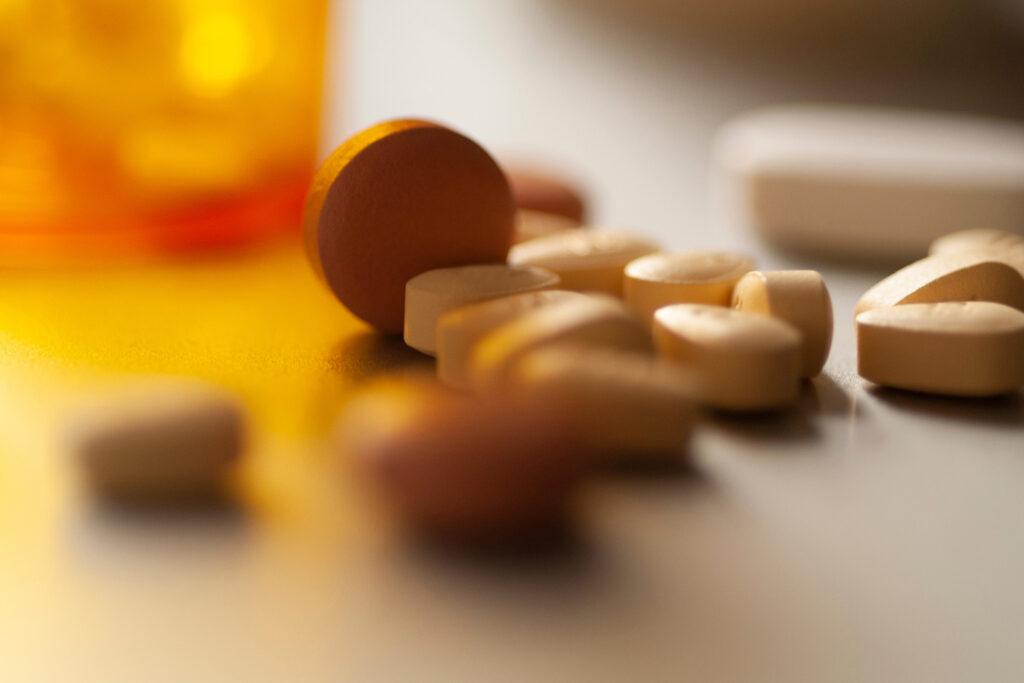
How Opioid and Fentanyl Detox Works at Crosspointe Recovery
Comprehensive toxicology and medical assessment.
Every patient receives a thorough evaluation upon admission, including toxicology screening to identify all substances present, medical history review, assessment of opioid dependence severity, and psychiatric evaluation for co-occurring conditions. Because fentanyl is frequently found in unexpected substances, toxicology screening often reveals exposures the patient was not aware of.
Medication-assisted treatment (MAT).
Crosspointe Recovery uses evidence-based MAT protocols to manage opioid and fentanyl withdrawal. Buprenorphine and other appropriate medications are used to reduce withdrawal symptom severity, manage cravings, and prevent the intense physical distress that drives relapse during detox. Because fentanyl has a longer effective half-life in the body than heroin, the timing of buprenorphine induction requires particular clinical expertise — administering it too early can precipitate acute withdrawal (precipitated withdrawal), while waiting too long extends suffering unnecessarily. Our medical team has specific experience managing fentanyl detox timing.
24/7 medical monitoring.
Opioid withdrawal, while rarely life-threatening in itself, produces severe symptoms — muscle and bone pain, nausea and vomiting, diarrhea, insomnia, anxiety, restlessness, and intense drug cravings. These symptoms peak within 48 to 72 hours and can persist for 7 to 14 days with fentanyl, longer than traditional opioid withdrawal. Continuous medical monitoring ensures that symptoms are managed, medications are adjusted in real time, and complications — including dehydration and severe psychiatric distress — are addressed immediately.
Dual diagnosis evaluation.
Opioid addiction is strongly associated with co-occurring depression, anxiety, and PTSD. Many individuals began using opioids to manage physical pain, which is often accompanied by depression and anxiety. Others turned to opioids to numb emotional pain from trauma. Dr. Javaherian evaluates each patient for co-occurring conditions during detox and begins integrated psychiatric treatment from day one.
After Opioid Detox: Why Continued Treatment Is Critical
Opioid and fentanyl detox clears the physical dependence. It does not address the psychological, emotional, and behavioral dimensions of addiction. Without continued treatment, the relapse rate for opioid addiction is extremely high — and because tolerance drops rapidly during detox, relapsing at pre-detox dosing levels is a leading cause of overdose death.
Crosspointe Recovery’s full continuum of care ensures that patients completing opioid detox transition directly into residential rehabilitation, PHP, IOP, or evening IOP at the same Sherman Oaks facility. Residential treatment uses CBT, DBT, trauma-informed care, individual therapy, group therapy, and ongoing MAT when clinically appropriate. The same clinical team manages care from detox through discharge and aftercare planning, maintaining continuity that is literally life-saving for opioid patients.
Fentanyl Detox for Couples
Crosspointe Recovery’s couple-friendly model accommodates partners who are both using opioids or fentanyl. Each partner receives an individualized detox protocol — critically important because fentanyl withdrawal timing varies significantly between individuals based on use patterns — alongside coordinated residential treatment and joint therapy.
Contact Crosspointe Recovery 24/7 at (888) 615-7589. Same-day admission available. Do not wait.
FAQs About Opioid and Fentanyl Detox in Los Angeles
Q1: How long does fentanyl detox take?
Fentanyl detox at Crosspointe Recovery typically takes 7 to 14 days — longer than traditional heroin or prescription opioid detox because fentanyl accumulates in body tissue and has a longer effective withdrawal timeline. Peak withdrawal symptoms typically occur 48 to 72 hours after last use and gradually diminish over the following days. Our medical team manages symptoms continuously with medication-assisted treatment and adjusts the detox protocol based on each patient’s clinical response.
Q2: What medications are used for opioid and fentanyl detox?
Crosspointe Recovery uses evidence-based medication-assisted treatment (MAT) for opioid and fentanyl detox, including buprenorphine and other clinically appropriate medications. Supportive medications for nausea, insomnia, muscle pain, anxiety, and diarrhea are also administered as needed. Because fentanyl requires careful timing for buprenorphine induction — administering it too early can cause precipitated withdrawal — our medical team has specific experience managing the clinical complexities of fentanyl detox.
Q3: Is fentanyl detox more dangerous than heroin detox?
Opioid withdrawal — whether from fentanyl or heroin — is rarely life-threatening in itself, unlike alcohol withdrawal. However, fentanyl withdrawal is typically more intense and longer-lasting than heroin withdrawal due to fentanyl’s potency and tendency to accumulate in the body. The greater danger is relapse after detox: because tolerance drops rapidly during detox, returning to pre-detox fentanyl doses is a leading cause of fatal overdose. This is why medically supervised detox followed immediately by continued treatment is critical for fentanyl addiction.
Q4: Can Crosspointe Recovery help if I didn’t know I was using fentanyl?
Yes. Many patients admitted to Crosspointe Recovery for detox discover through toxicology screening that they have been exposed to fentanyl without their knowledge — through contaminated heroin, counterfeit pills, or other substances. Our medical team is experienced in managing withdrawal from fentanyl regardless of the patient’s awareness of their exposure. Treatment is based on what is in your system, not what you believed you were using.
Q5: Will I need to stay on medication after fentanyl detox?
Medication-assisted treatment (MAT) following opioid detox — including ongoing buprenorphine when clinically appropriate — is a decision made between each patient and our psychiatric and medical team based on individual clinical needs, relapse risk, and recovery goals. Research consistently shows that MAT after opioid detox significantly reduces relapse rates and overdose deaths. Crosspointe Recovery supports evidence-based, individualized decisions about post-detox medication rather than applying a one-size-fits-all approach.
Q6: Can my partner and I go through fentanyl detox together?
Yes. Crosspointe Recovery’s co-ed, couple-friendly facility allows partners to enter opioid and fentanyl detox together at our Sherman Oaks location. Each partner receives an individualized detox protocol — important because fentanyl withdrawal timing varies based on individual use patterns — alongside coordinated residential treatment and joint couples therapy. Same-day admission for both partners is available. Call (888) 615-7589.
Q7: Does insurance cover fentanyl and opioid detox at Crosspointe Recovery?
Most major PPO, POS, and Open Access insurance plans cover medically supervised opioid and fentanyl detox, including medication-assisted treatment. Federal and California state parity laws require insurers to cover substance use treatment at parity with medical benefits. Crosspointe Recovery verifies insurance for free before admission. Medicare and Medicaid are not accepted. Call (888) 615-7589 for immediate verification.